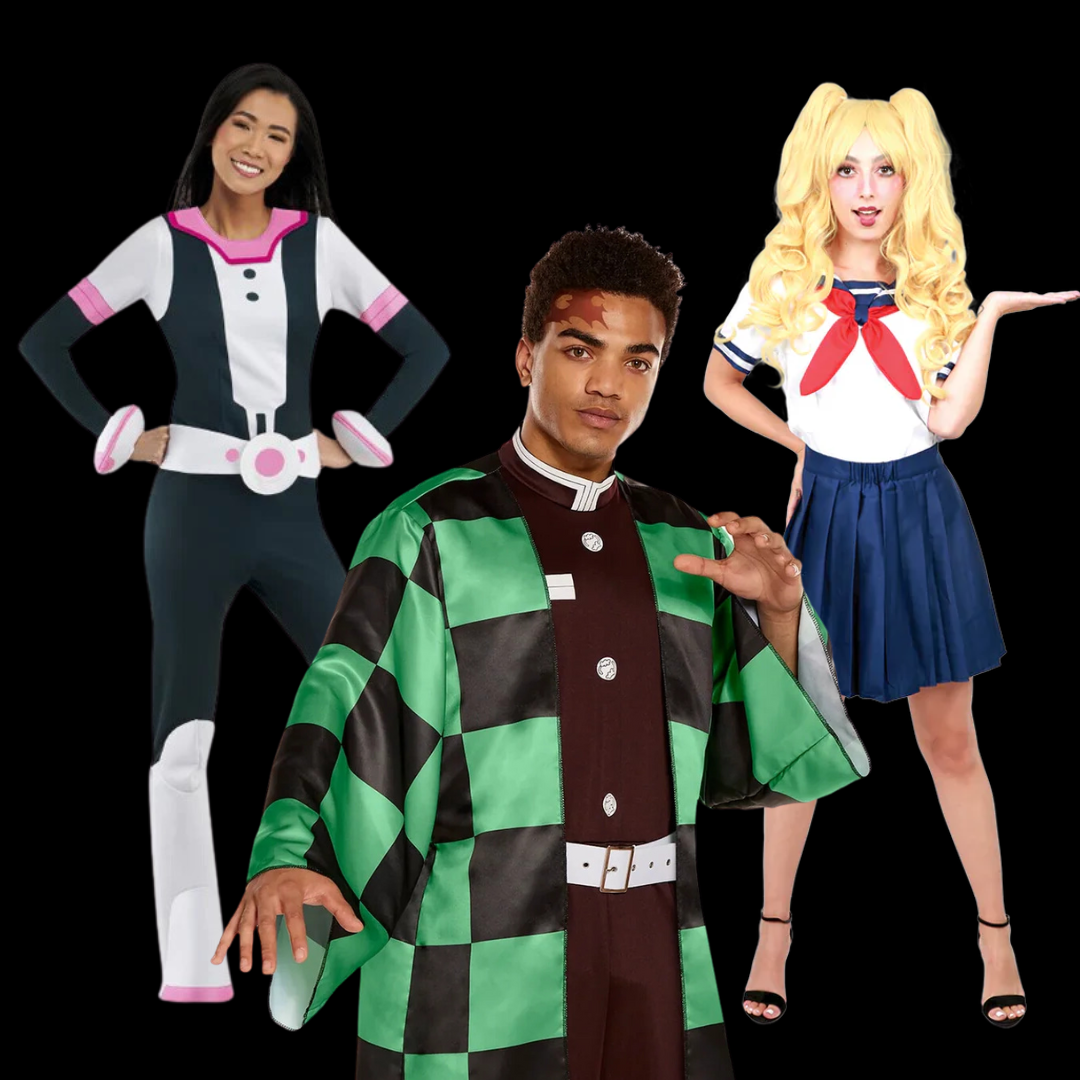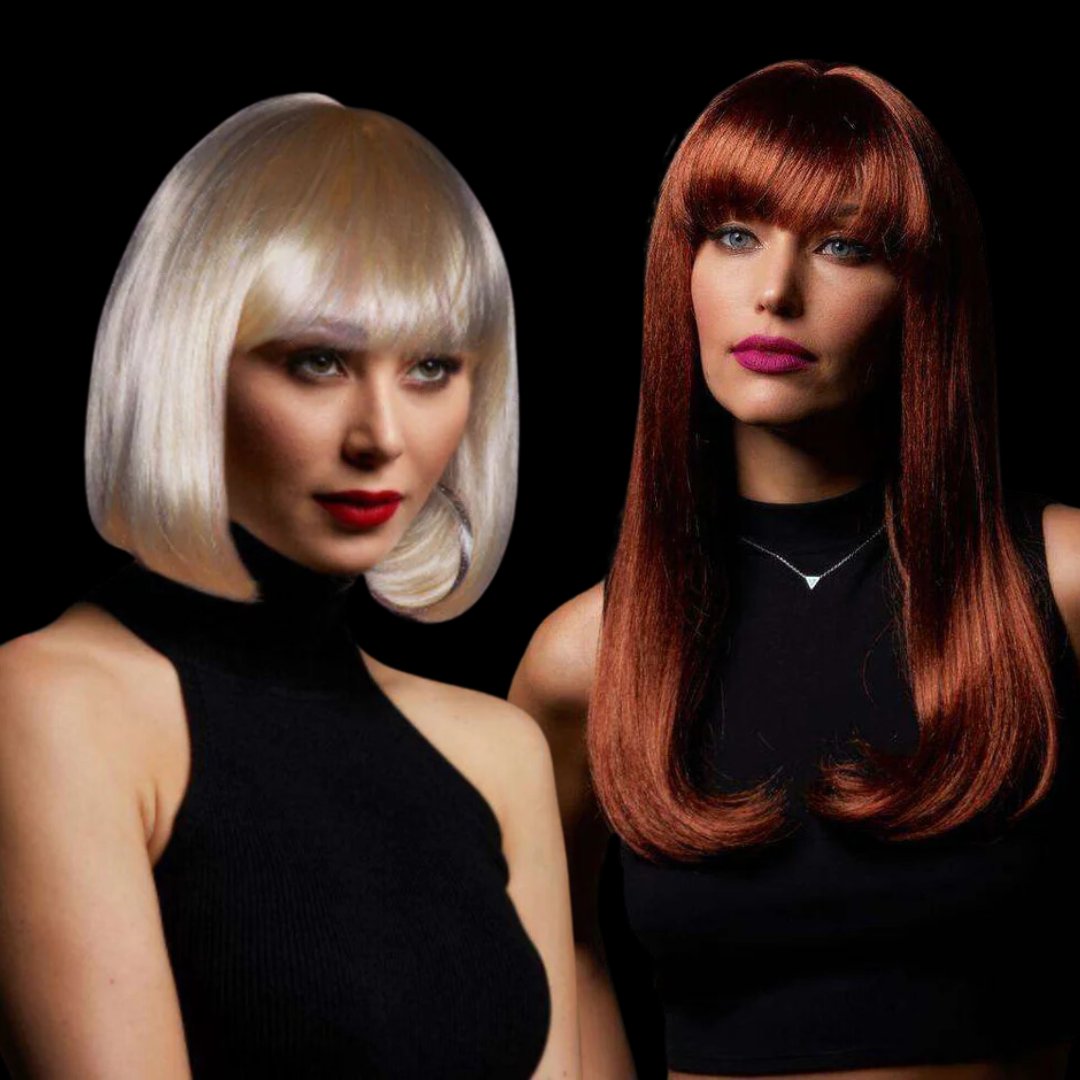
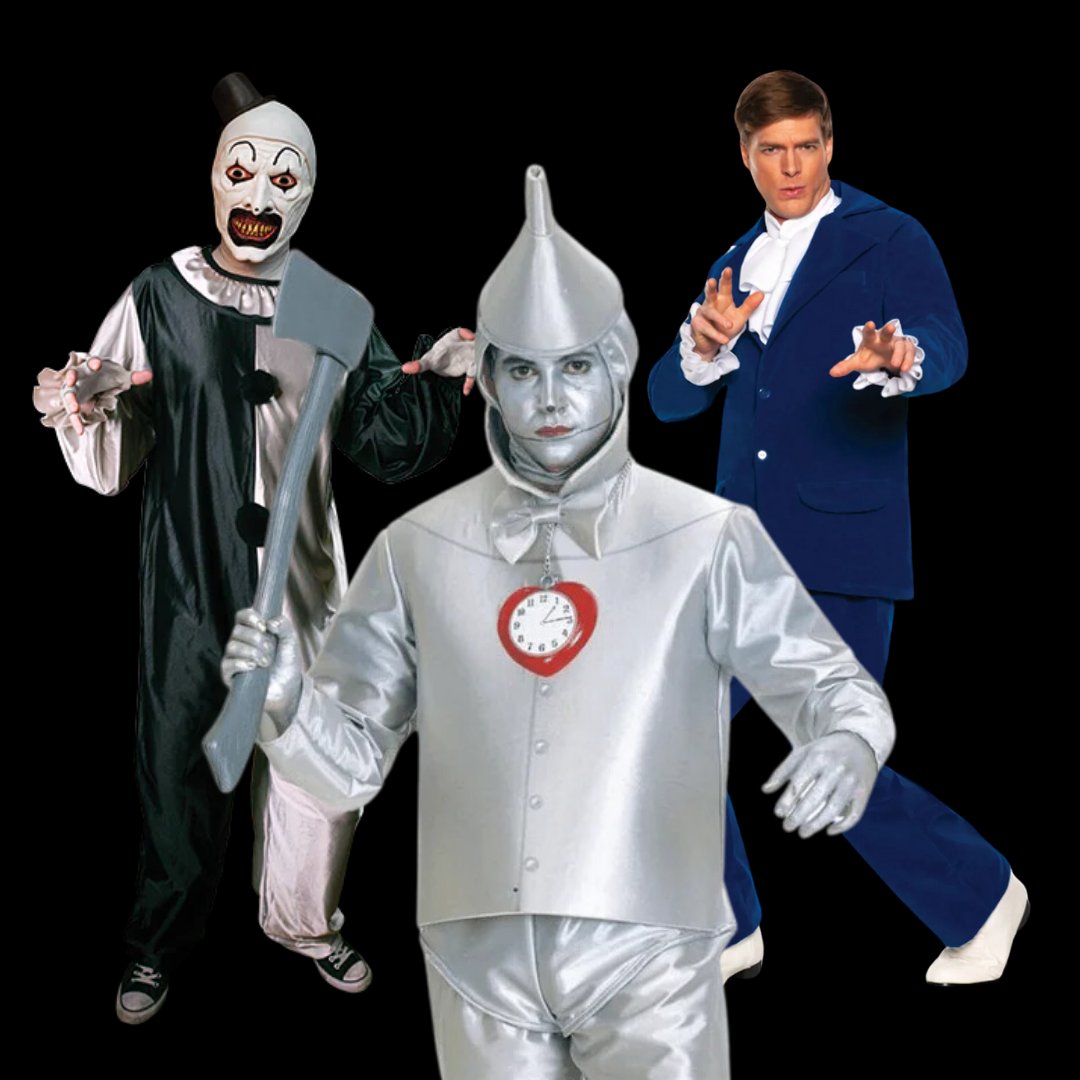
The difference between a costume that photographs like a film still and one that falls apart by 9 p.m. is not luck — it is a short list of checks you can run in five minutes before you pay. Fabric, construction, licensing, sizing, and the seller’s return policy tell you almost everything about how a costume will behave at a party, a convention, or a haunted attraction. This guide walks through those checks in order, then hands you a pre-order checklist you can apply to any listing.
Disclosure: This post contains affiliate links. If you buy through them, we may earn a commission at no extra cost to you.
Fabric and Stitching: The 60-Second Check
Every quality signal you need is usually visible in the product photos. Start with the seams. Finished, serged edges hold; raw cut edges fray the first time the costume is pulled on. Stitches should be small and even — long, bouncy stitches are the ones that pop when you reach for something. Check whether patterns line up at the seams, because mismatched checks and stripes are the fastest sign of a rushed run.
Then look at the fabric itself. Thin, glossy polyester that pools and reflects studio light will be translucent under a flash and stiff against the skin; heavier matte fabric drapes and moves like clothing. Confirm whether the torso is lined, since unlined pieces stretch and distort over a single evening. Closures matter as much as cloth: a heavy costume hangs on its zipper, snaps, or hook-and-eye set, and a cheap zipper on a jumpsuit is the first thing that fails. Finally, scan for reinforcements at stress points — armpits, belt loops, shoulder seams, and the back of the neck. Sellers who are confident in their construction publish close-up shots of stitching, so treat listings with only distant, styled images as a warning.
Licensed vs Unlicensed: What You Are Paying For
Licensed costumes are produced with the studio’s approval, which usually means correct colors, accurate logos, official artwork on the packaging, and a fit block developed from reference material. You are paying for that accuracy and for the quality control that comes with a brand protecting its own property.
Unlicensed versions are often built from screen grabs and guesswork, so colors drift, emblems are redrawn, and naming can be vague or misspelled — all useful red flags when you are comparing two listings that look similar. That said, licensing alone does not guarantee a sturdier garment; some unlicensed pieces are heavier and better sewn, simply because the maker cut costs elsewhere. Weigh both signals together: official branding plus visible stitching beats branding alone, and good construction with an honest “inspired by” description can be the smarter buy when accuracy is not your goal. To browse officially licensed character costumes, start in our Movie & TV Costumes category, or compare licensed movie costumes side by side.
Masks, Makeup, and the Face of the Costume
The face is where cheap construction shows first, and it is the part people photograph.
Mask materials
Latex is the standard: affordable, detailed, and flexible, but it can trigger reactions in sensitive skin and it degrades if stored crushed or near heat. Silicone is softer, more realistic in motion, and gentler to wear, which is why it dominates higher-end pieces. Thin injection-molded plastic (the classic drugstore mask) is the weakest option — it cracks at the eye and mouth stress points and rarely sits flush. Whatever the material, check the eye openings and ventilation before ordering; a mask you cannot see or breathe in will be removed within an hour, no matter how good it looks.
Makeup and adhesives
If the costume relies on makeup, confirm the products are rated for skin contact and check for allergy information, especially around the eyes. Spirit gum and Pros-Aide hold longer than eyelash glue but need remover, while water-activated paints smudge by hour three in a warm room. Buy the adhesive at the same time as the costume so you are not improvising the night before.
Sizing, Shoes, and Comfort for a Full Night
Measure, do not guess. Take chest, waist, hip, height, and — for jumpsuits and one-piece outfits — torso length, because a short torso measurement is the reason so many costumes ride up by midnight. Compare those numbers to the seller’s chart instead of your usual size: unisex and “one-size” labeling is a warning, and costuming layers mean you may need a size above your everyday clothes. If the chart is missing or generic, treat that as a quality signal in itself.
Shoes deserve equal attention because they end the night for most people. Costume boots made from vinyl crack at the flex point after a few hours, and unworn heels blister faster than anything else you own. Break new shoes in at home, add an insole, and pack moleskin or a flat backup pair if the event involves dancing or long lines. Plan the base layers too — thermal underwear for sleeveless armor, seamless underthings for thin fabric, pockets or a belt bag for anything the costume does not carry.
Photos vs Reality: Reviews, Returns, and Wash Value
Studio shots are styling, not evidence. Filter reviews for buyer photos and read the three-star middle, where specific complaints live: seams opening, dye bleeding, sizing running small, masks arriving creased. Reviews from the previous season are more useful than launch-week ones, because they describe the costume after shipping, wear, and storage rather than out of the box.
The return policy is the other half of the purchase. Check the restocking fee, whether the item is final sale, and — critically — whether the window extends past your event date; many sellers tighten returns as Halloween approaches. Keep tags on until the costume has been tried on with shoes and base layers, and photograph any defect before removing packaging. Wash value is the long game: a costume that survives a gentle cycle and dries without shrinking is worth more over several years than one that looks marginally better and can only be worn once. If dark fabric bleeds on the first wash, you now know what it will do on the dance floor. Once a listing passes those checks, shop costumes that come with buyer photos and flexible returns.
Screen-Accurate vs Inspired-By: Which Approach Fits You
Screen-accurate means reference-matched: the right shade, the right weathering, the right hardware. It costs more, it is usually more fragile, and it pays off at conventions, photo ops, and fan events where people notice the details. Inspired-by interprets the look with wearable substitutions and holds up better to a full night of movement, which makes it the right call for parties and trick-or-treating.
The practical middle path is the anchor-piece strategy: spend your budget on the one item the costume is recognized by — a mask, a jacket, a helmet, a weapon — and improvise the rest from clothes you already own. People read the anchor first, so that is where quality shows and where durability matters most. Pair it with makeup from our Makeup & FX ideas if the face carries the character.
Your Pre-Order Checklist
Run this list on every listing before you add it to the cart:
- Measurements taken today and matched to the seller’s chart, including torso length for one-piece outfits.
- Close-up photos show finished seams, even stitching, and reinforcements at stress points.
- Fabric weight and lining confirmed; nothing described only as “polyester” with no detail.
- License status clear — official branding, or an honest “inspired by” description.
- Mask material and ventilation stated, with allergies checked against the material list.
- Recent buyer reviews with photos checked for sizing, dye, and seam complaints.
- Return window covers your event date, with no hidden restocking fee.
- Shoes, base layers, and adhesives planned and budgeted, not assumed.
- Care instructions readable, and wash or spot-clean value confirmed for reuse.
Where to Shop Quality Costumes
A costume that clears that list will survive the night and the wash after it, which is the whole point of buying well once instead of replacing a bargain twice. Specialty retailers with real inventories and clear return terms are safer than marketplace listings with borrowed images, and physical shops are the kind of place where you can inspect masks, wigs, and garments in person before an event. For character-specific ideas, browse our Movie & TV Costumes category and our feature on horror movie costumes, then shop quality costumes that hold up all night with the checklist in hand.